
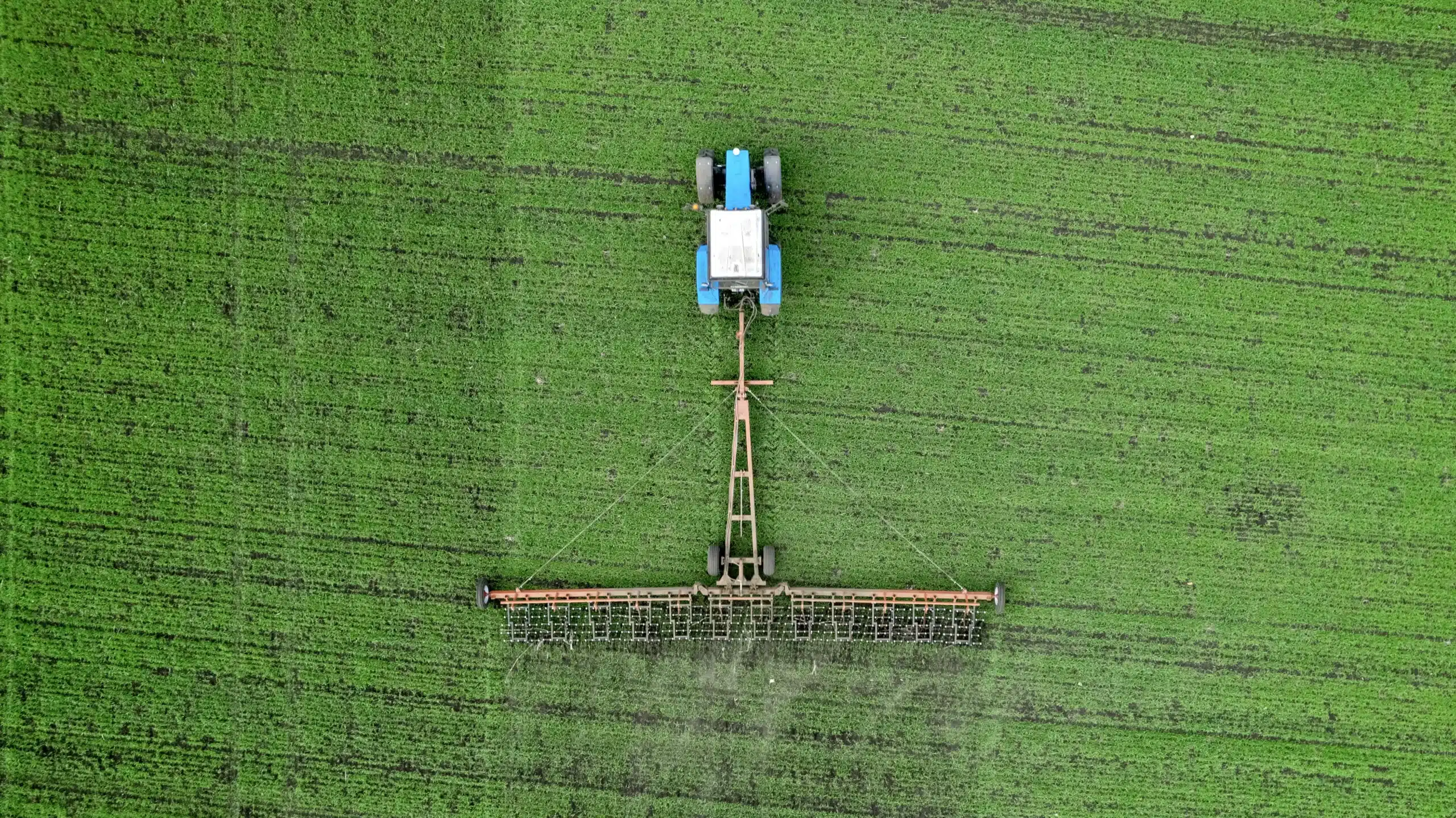
Agritech: Revolutionizing agriculture through technology
Introduction
Agriculture has always been a vital sector, but it is facing unprecedented challenges: climate change, population growth, and pressure on natural resources. In the face of these challenges, agritech, or agricultural technology, is emerging as a promising solution. This article explores the impact of agritech on modern agriculture.
What is Agritech?
Agritech refers to the use of innovative technologies to improve the efficiency and profitability of agriculture. This includes fields such as biotechnology, precision farming, big data and artificial intelligence.
Agritech's main technologies
- Biotechnology: Genetic modification of crops to increase their resistance and yield.
- Precision agriculture: Using GPS and sensors to optimize treatments and harvests.
- Robotics: Robots and drones to automate tasks and improve crop monitoring.
- Artificial Intelligence (AI): Data analysis to predict weather conditions, plant diseases, and optimize resources.
- Big Data: Collecting and analyzing large quantities of data for informed decision-making.
Agritech's impact on agriculture
Increased productivity
Agritech enables farmers to produce more with less. Precision technologies and robotics reduce crop losses and increase yields.
Sustainable Resource Management
Optimizing water and fertilizer use with agritech helps preserve natural resources and minimize environmental impact.
Cost reduction
Innovations in agritech help reduce production costs by automating processes and reducing labor requirements.
Improving product quality
Constant monitoring and data analysis help maintain crop health and improve the quality of agricultural produce.
Adapting to climate change
Agritech tools help farmers adapt to changing weather conditions with more accurate forecasts and more resistant crops.
Examples of Success Stories in Agritech
- Drones for field mapping: Used to obtain detailed images of crops and detect problems at an early stage.
- Sensors for intelligent irrigation: watering only when and where necessary, saving water and energy.
- Picking robots: Automate the harvesting of fruit and vegetables, reducing dependence on seasonal labor.
- Mobile applications for farm management: Help manage farms, monitor market prices, and facilitate access to credit.
Challenges and limitations
Although promising, the adoption of agritech is hampered by a number of obstacles.
- High cost: The initial investment in technology can be prohibitive for smallholders.
- Complexity of implementation: Technologies often require specialized skills not present in all farmers.
- Accessibility: Remote regions and developing countries have limited access to these technologies.
- Ethical and regulatory issues: Biotechnology, in particular, raises ethical issues and requires strict regulation.
Conclusion
Agritech offers incredible opportunities to transform agriculture, making it more productive, sustainable and resilient. However, it is crucial to ensure that these technologies are accessible and beneficial to all farmers, regardless of size or location. By accompanying technological innovations with appropriate regulation and training, agritech can not only feed a growing population but also protect the environment for future generations.


